
I grew up in the Pacific Northwest, spending my childhood in and around Portland, Oregon, hunting, fishing, and exploring its forests, rivers, and coastline.
The outdoors shaped me early, revealing nature’s serenity but also its intrinsic need for dispassionate violence and death—a duality I’ve been drawn to ever since, especially when viewed through the lens of humanity’s place within the natural world and the biblical stories that attempt to explain it.
When I wasn’t outside, I was immersed in movies.
Movie theaters and video rental stores were like a second home, and film quickly became my first real obsession. Not just watching them, but studying how they were made, what made them effective, and what created that feeling of “movie magic.” I was drawn to stories that felt deliberate and authored, films and series with clear structures and solid worldbuilding rules. I loved when a story operated by internal logic that held under pressure, and when the filmmaker behind it had a clear point of view. The movies that resonated most weren’t vapid entertainment; they were arguments made by filmmakers, explorations of ideas, and questions presented through character and conflict. And they weren’t always comfortable.
That fascination led me to write my own screenplays. For years, I wrote scripts and short stories to scratch the creative itch of a medium I could only experience from afar. I became obsessed with the mechanics of storytelling, structure, pacing, and how tension builds when a system is pushed to its limits.
Professionally, my path led me to graphic design, where storytelling took a different but surprisingly similar form.
In design, everything communicates. Structure communicates. Hierarchy communicates. Even silence communicates. Building a brand means building a system with a clear perspective, ensuring that every detail reinforces an idea. That discipline sharpened my thinking about narrative, coherence, and intention for the world I wanted to build—everything had to make sense and feel like it belonged.
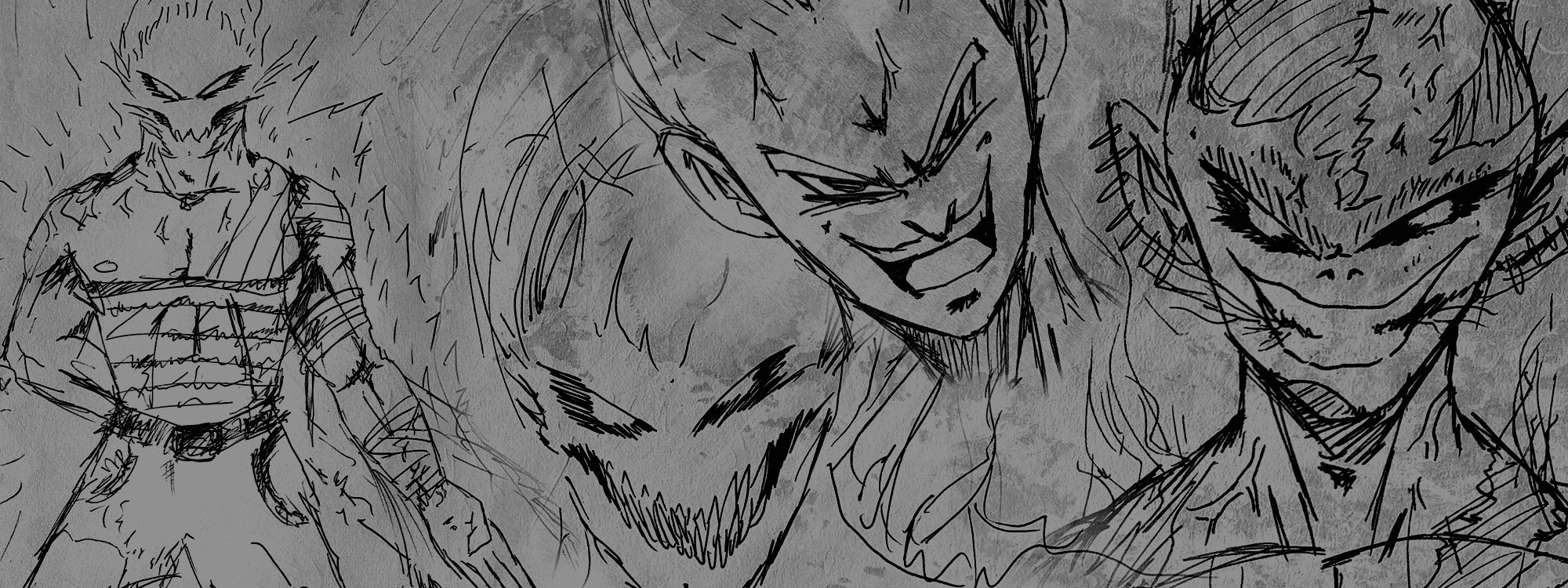
Duel of the Chosen didn’t begin as a book, but as a series of screenplays, short stories, and character illustrations.
They were early attempts to wrestle with ideas that had followed me since adolescence and continued to press against me through my career as a graphic designer. Questions about power and responsibility, faith and proof, destiny and defiance, free will and fate. If a divine plan exists, does destiny guide us or confine us? Does knowledge free us or isolate us? And if beings possessed such power, would it reveal character or corrode it?
Over a decade later, those questions stopped being abstract and began to take shape as structure and mythology.
Before I committed to a novel, I spent years crafting a deep lore document that grew to hundreds of pages. I defined the cosmology, hierarchies, fractures, political systems, theological tensions, historical scars, and clearly established the rules of powers and transformation for both divine beings and mortals alike. I wanted the world to exist and make sense before any single story unfolded, to feel logical, consequential, and capable of sustaining more than one format. Only when that foundation felt solid did I reshape those early screenplays and short stories into a single novel, and eventually into a larger series of books.
This series is also a love letter to the high-action fantasies that shaped me.
Star Wars showed me how deep lore and spiritual tension can anchor epic storytelling in personal struggle.
Dragon Ball Z shaped my understanding of escalation, discipline, and transformation, and remains, in my view, the greatest superhero fantasy ever created because it treats growth as earned and strength as forged through effort.
Attack on Titan demonstrated how despair and horror can give rise to human resilience, and Game of Thrones proved that sprawling plotlines, moral ambiguity, and grounded characters can sustain epic scale without sacrificing depth.
Duel of the Chosen is my attempt to honor that lineage of great fantasies while asking my own questions about divinity, religion, human nature, free will, destiny, ideology, and consequence. It embraces spectacle and mythic stakes, but it also treats power as burden, belief as consequential, and choice as one of the most defining forces in human existence.
I’ve built this world with care, conviction, and respect for the genre that’s given me so much, and now I’m ready for it to take its place beside the stories that inspired it.
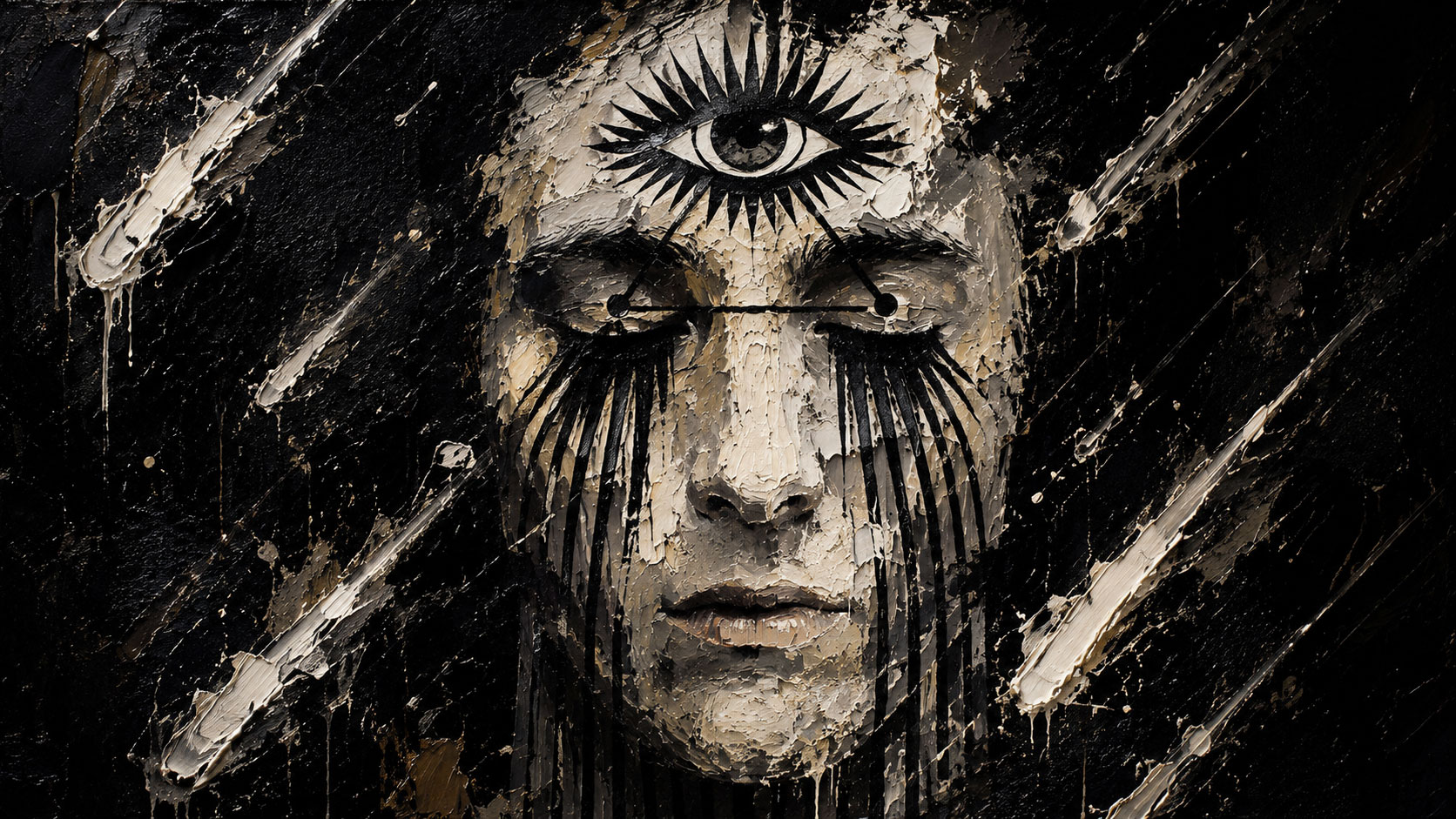
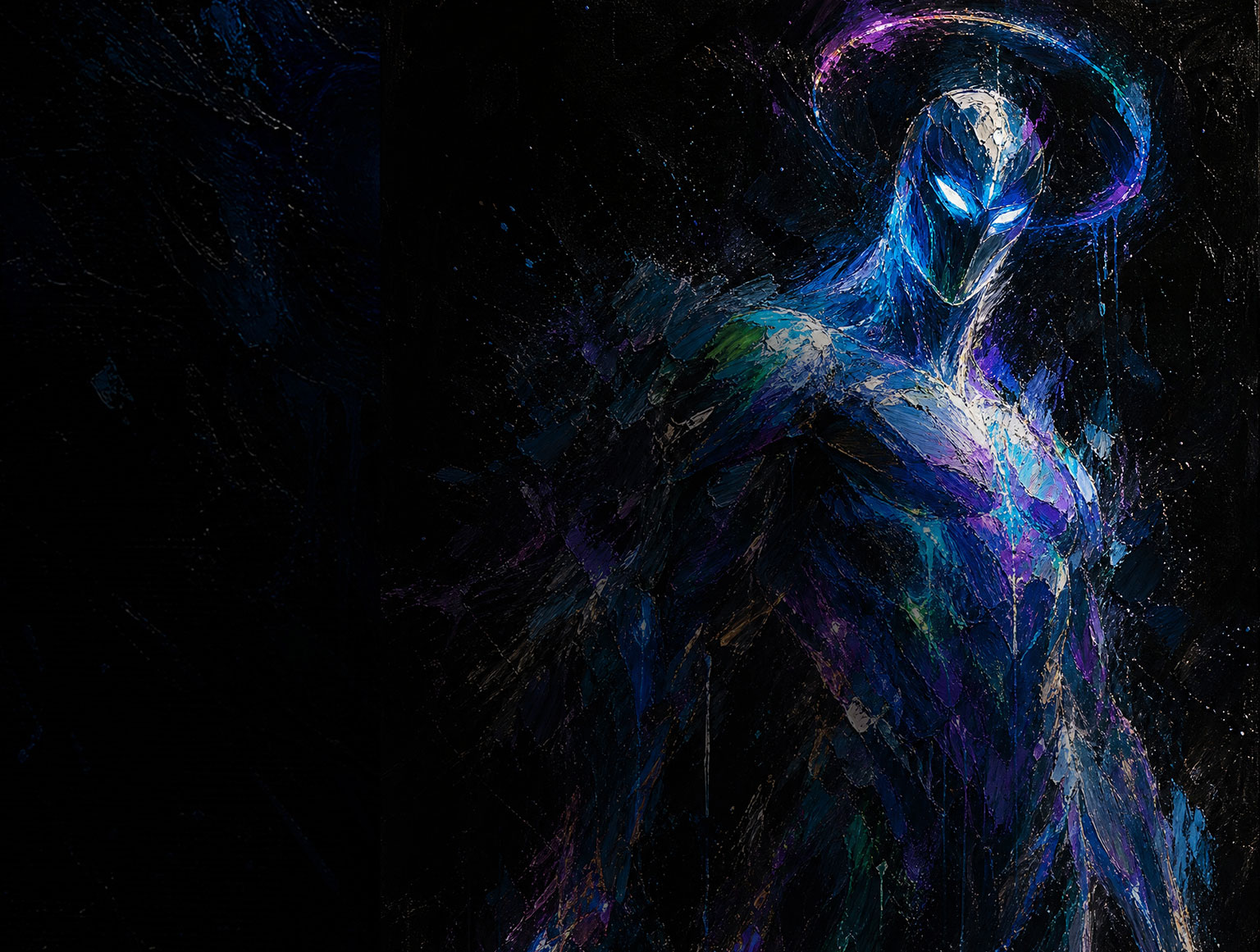
Dark, relentless, and mythic in scope, Duel of the Chosen explores what survives when Creation and Divinity stand on the brink of their final reckoning.
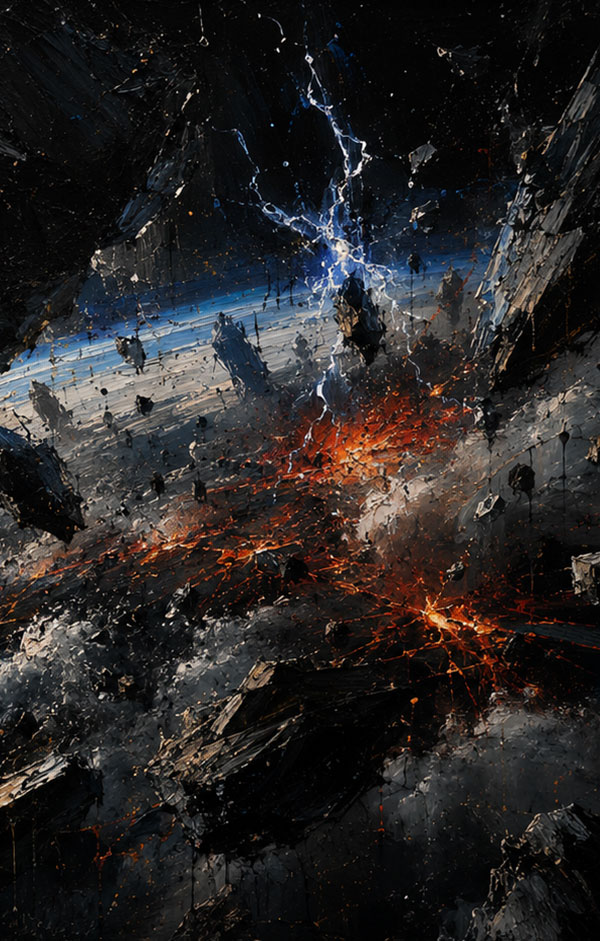
Creation is broken while humanity survives.
Learn More ›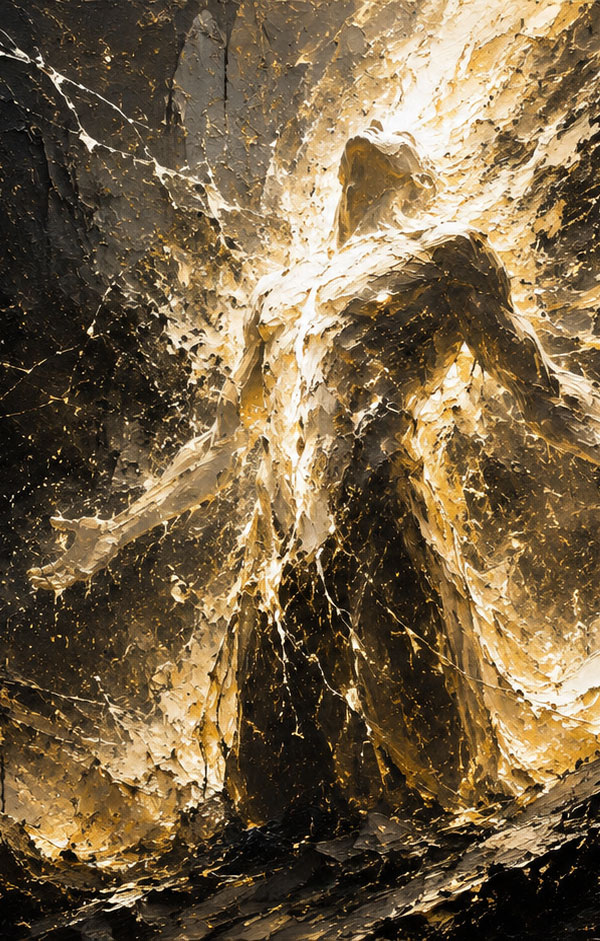
Mortals bound to Divine masters.
Learn More ›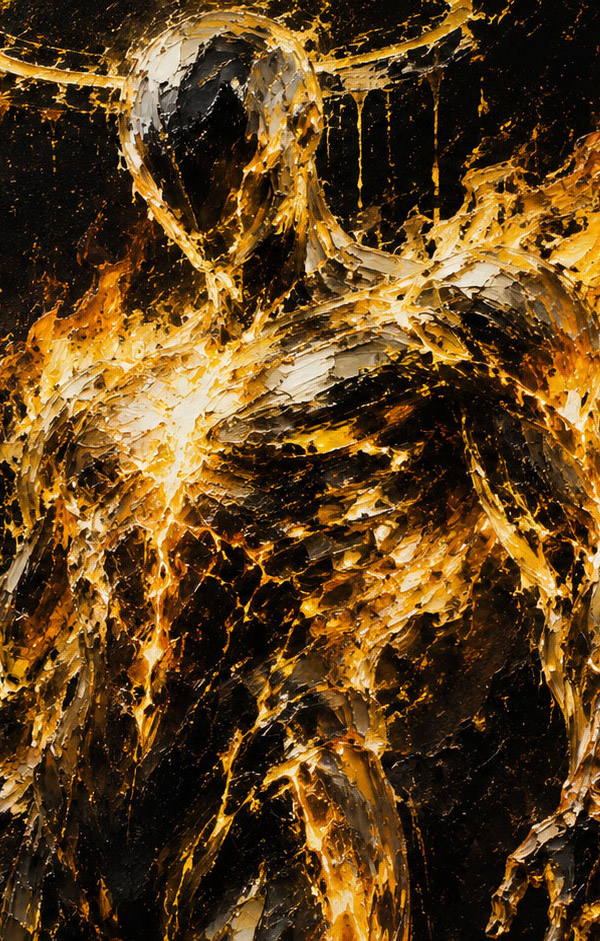
The ancient architects of the Divine Conflict.
Learn More ›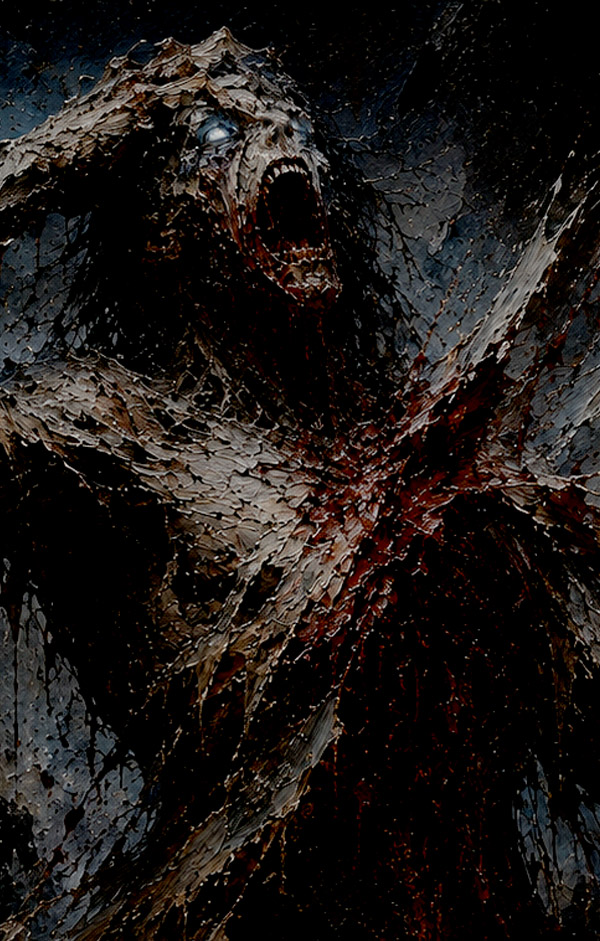
Exanimis and Soulless stalk the survivors.
Learn More ›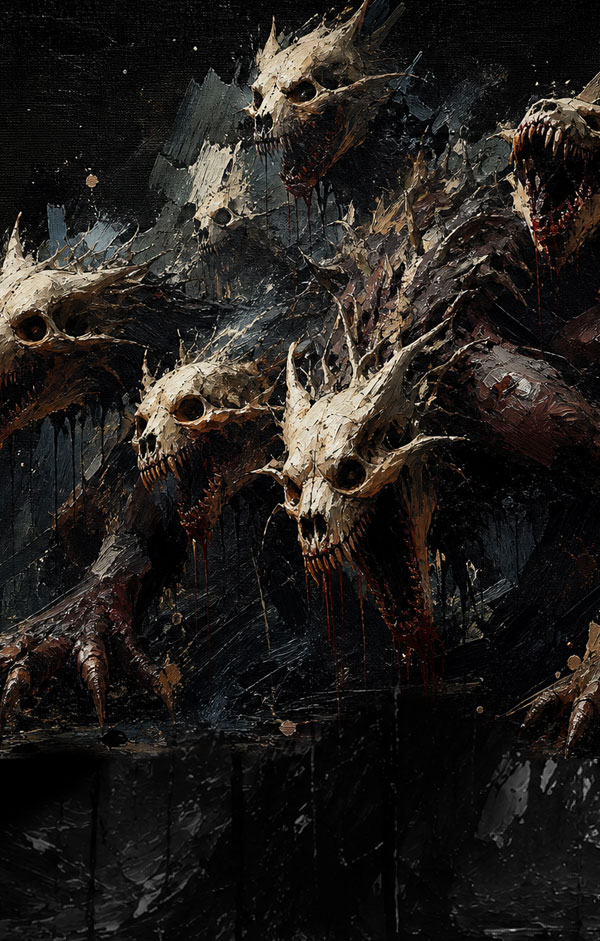
The unveiling of The Divine.
Learn More ›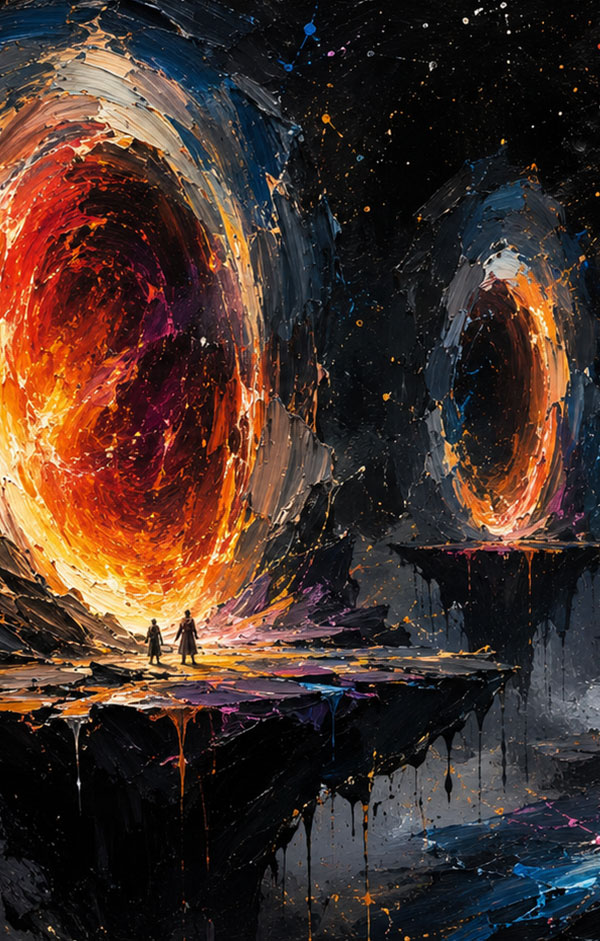
Divine dimensions beyond mortal reality.
Learn More ›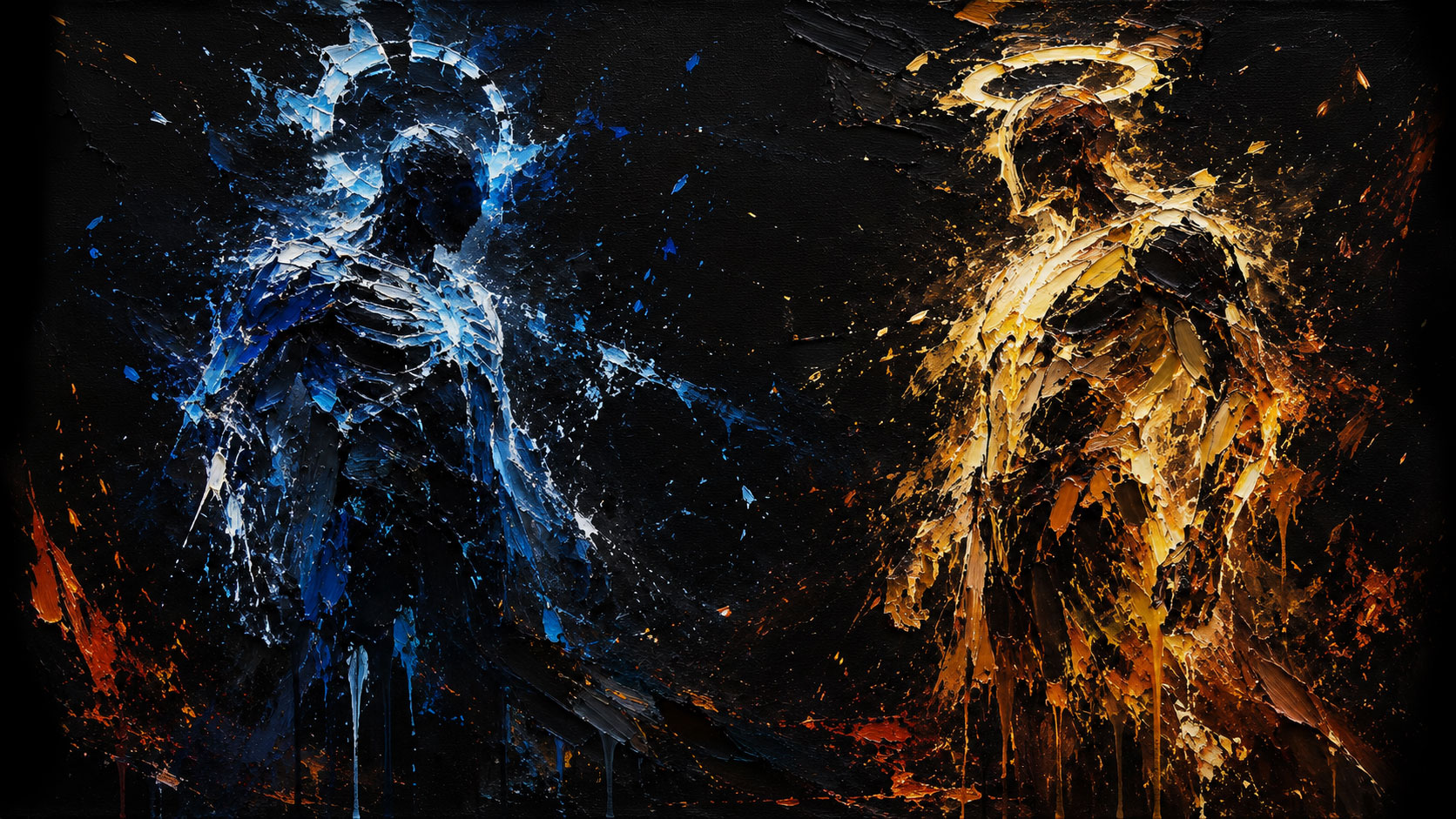
Word from the world of the Chosen.
Art, lore, philosophy, and the road to release.
Go deeper into the world of the Chosen.
Lore, legends, and visions of the Falling.
TIK TOK › • INSTAGRAM › • YOUTUBE › • X › • FACEBOOK ›